
10 Ways Apartment Communities Can Reduce Waste

Waste reduction at multifamily properties is not about asking residents to consume less — it is mostly about program design and communication. Here are ten strategies that actually work.
Reducing Apartment Waste
Rapid Junk Pros provides reducing apartment waste with licensed, insured crews, flexible scheduling, and upfront pricing — no hidden fees.
1. Make Recycling as Easy as Trash
Participation drops sharply when recycling requires more effort than throwing something away. Doorstep or near-doorstep recycling collection, matched to the same convenience level as trash service, consistently drives higher participation than a single bin in a distant corner of the property.
2. Educate at Move-In, Not Just Once
Waste and recycling rules explained once during lease signing are quickly forgotten. Communities that repeat the message — door hangers, seasonal reminders, simple signage at collection points — see meaningfully better compliance than those relying on a single onboarding document.
3. Fix Contamination With Feedback, Not Punishment
When recycling bins are contaminated with non-recyclable items, rejecting the bin without explanation teaches residents nothing and often causes them to give up on recycling entirely. Photo-tagging contamination issues with a clear explanation of what went wrong tends to correct behavior faster than silent rejection.
4. Right-Size Bulk Item Response
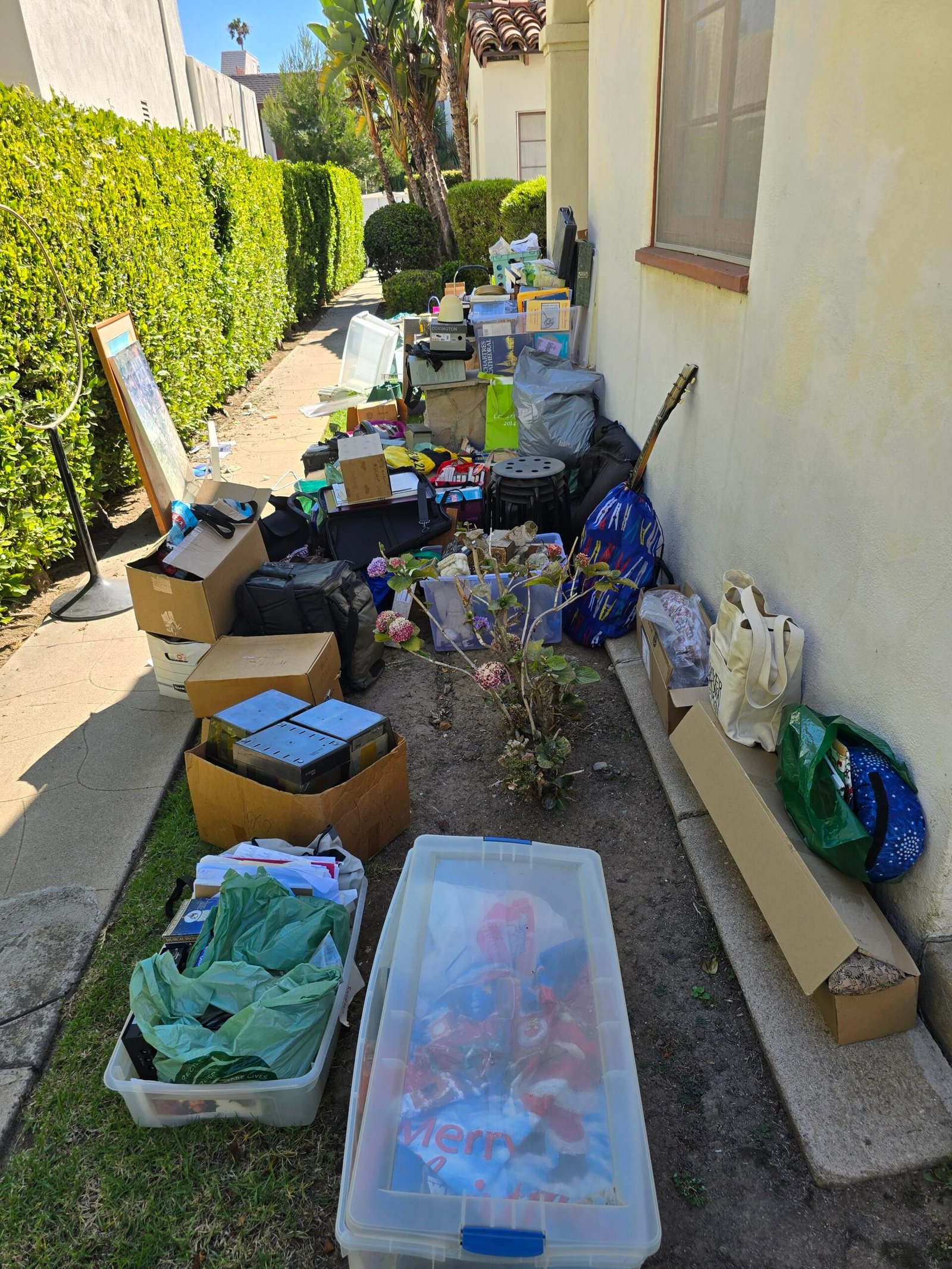
Furniture and large items left at enclosures are often there because residents did not know how to arrange proper removal, not because they were being careless. A clear, easy path to schedule bulk item pickup reduces informal dumping meaningfully.
5. Match Container Size to Actual Need
Oversized trash containers often just invite overfilling and improper disposal of items that belong elsewhere. Right-sized containers, paired with clear expectations about what belongs in them, keep volume more predictable and manageable.
6. Plan for Move-Out Season Specifically
A large share of a property’s annual waste volume concentrates into lease-turnover periods. Planning ahead for that surge — rather than treating each turnover as a surprise — reduces the improvised dumping and overflow that otherwise spikes during those weeks.
7. Track What’s Actually Being Diverted
Properties that receive real diversion reporting — what percentage of waste is being recycled or composted versus landfilled — make better decisions than those operating on assumption. This documentation is also increasingly relevant to California compliance requirements; see our waste compliance guide.
8. Address Organics Separately Where Feasible
Food waste is a significant portion of multifamily waste volume and, under California’s SB 1383, is increasingly subject to diversion requirements. Even a basic organics collection option, where feasible, can meaningfully shift a property’s overall waste profile.
9. Involve Maintenance Staff in the Feedback Loop
On-site maintenance and leasing staff often notice waste problems — chronic overflow, a specific building with recurring issues — well before a monthly report would surface them. A simple channel for staff to flag issues in real time closes that gap.
10. Choose a Provider That Documents, Not Just Collects
Waste reduction is hard to manage without data. A provider that photographs exceptions, tracks participation, and reports diversion weight gives a property manager the information needed to actually improve the program over time, rather than guessing.
Frequently Asked Questions
Does reducing waste actually save a property money?
Often yes, both through better diversion (potentially reducing landfill hauling costs) and through fewer resident complaints and staff hours spent on waste-area issues.
How long does it take to see results from these changes?
Communication and program-design changes typically show measurable participation improvement within one to two months.
Is composting required for apartment communities in California?
Requirements vary by jurisdiction and property size under SB 1383; check with your local waste authority or counsel for your specific property.
Build a Better Waste Program
A free consultation looks at your specific property and identifies the highest-impact changes.
Related reading: Apartment Waste Consulting · Waste Compliance · Recycling Programs
For official California waste and recycling program information, see CalRecycle.
