Valet Trash for HOA Communities: The Complete 2026 Board Guide

Most people picture valet trash as an apartment amenity, but valet trash for HOA communities has become one of the fastest-growing corners of the business, and it works differently enough from a typical apartment route that HOA boards evaluating it for the first time usually have a lot of the same questions. We service both apartment complexes and HOA-governed townhome and condo communities across Los Angeles County, and the two aren’t run the same way even though the core idea — doorstep trash pickup instead of a self-haul dumpster — is identical.
Here’s what HOA boards specifically need to understand before bringing this service to a vote, and how it compares to the valet trash service most people already picture from apartment living.
Why HOA Communities Are Different From Apartments
An apartment community has a single ownership entity making the decision and a single budget absorbing or passing through the cost. An HOA community has individual homeowners, a board making decisions on behalf of everyone, and often a more involved approval process before any new service or assessment gets added. The physical layout differs too — townhomes and condos often have individual driveways or attached garages rather than the shared hallways of a typical apartment building, which changes exactly how a valet trash route gets structured. These structural differences are exactly why valet trash for HOA communities requires its own evaluation process.
How Doorstep Collection Works With Individual Driveways
Instead of technicians walking hallways collecting from unit doors, an HOA valet trash route typically has residents place bins or bagged trash at the end of their driveway or a designated collection point near their unit, and a crew collects along a vehicle route rather than on foot through interior corridors. This is closer in some ways to municipal curbside pickup than to a typical apartment valet route, though it still runs on the same evening schedule and door-to-door consistency that makes valet trash valuable in the first place.
The HOA Board Approval Process
Bringing valet trash to an HOA community usually requires board approval and, depending on the association’s governing documents, sometimes a vote of the full membership if it involves a new assessment or a change to existing dues. This process takes longer than an apartment owner simply signing a service contract, which is why HOA boards considering this service should start the conversation months before they hope to implement it, not weeks. Boards that plan ahead find the approval process for valet trash for HOA communities far less stressful than expected.
How the Cost Gets Structured for Homeowners
Most HOA valet trash programs are funded through a modest increase in monthly HOA dues rather than a separate line-item bill to each homeowner, which simplifies billing considerably compared to trying to collect a new fee from dozens or hundreds of individual owners directly. Boards typically present this to residents as a trade-off: a small increase in dues in exchange for eliminating individual trash can hauling to the curb and the unsightly rows of bins that line HOA streets on collection day.
Mandatory Versus Opt-In Service
Some HOA communities make valet trash mandatory for all homeowners once the board approves it, treating it the same way they’d treat any other community-wide service like landscaping or a gate system. Others offer it as an opt-in amenity homeowners can choose individually. Mandatory participation generally produces better pricing per unit, since the provider can build a full, predictable route rather than a partial one with gaps at homes that opted out, and it also produces a more uniform, tidier appearance across the community, which is often part of the original motivation for considering the service. This decision shapes pricing and appearance outcomes for valet trash for HOA communities more than any other single factor.
Eliminating the Curbside Bin Problem
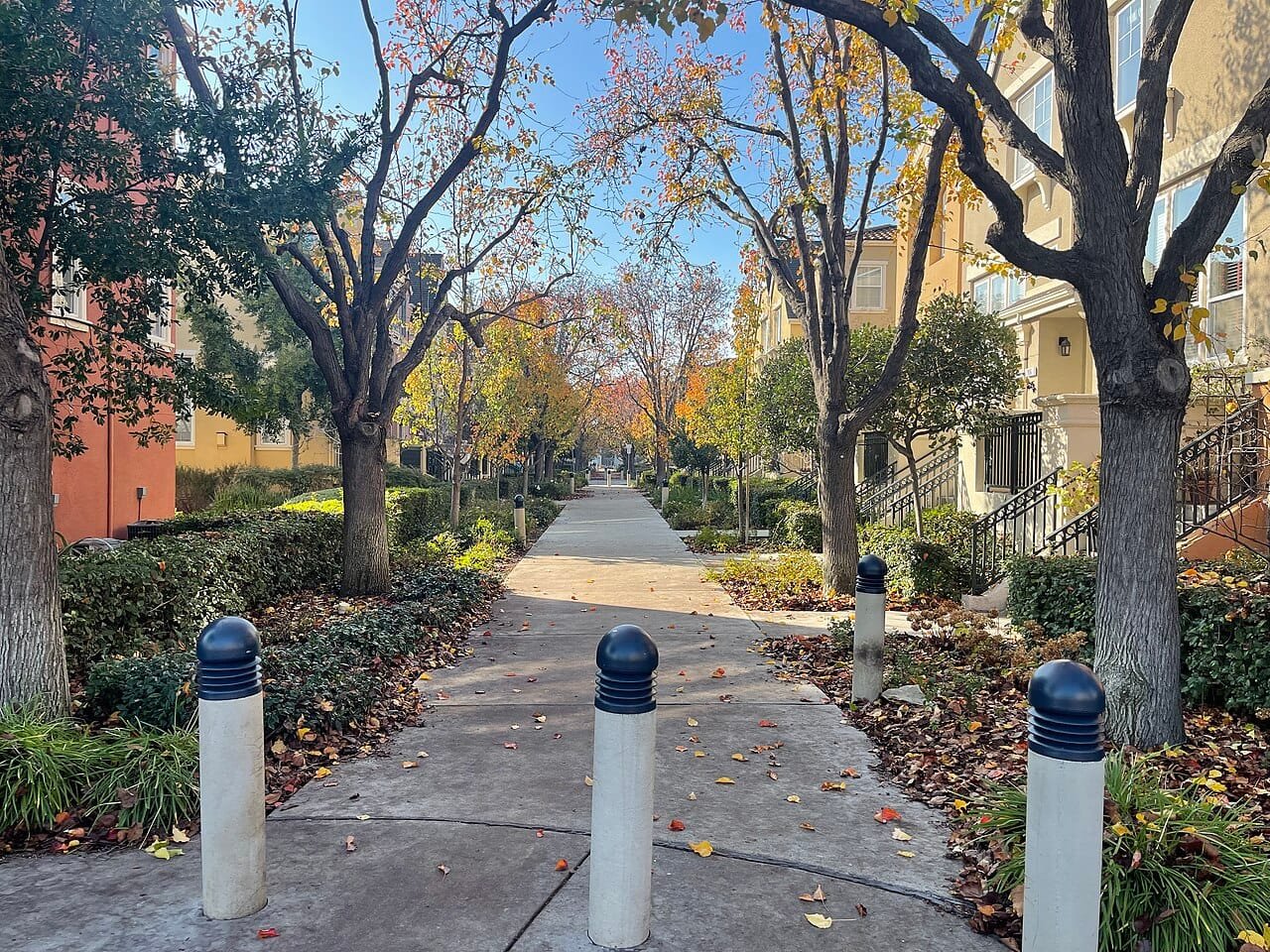
One of the most common reasons HOA boards pursue valet trash is aesthetic: rows of trash and recycling bins sitting at the curb from the night before collection through the following morning are a recurring complaint in communities with strict appearance standards. Doorstep or driveway collection removes bins from public view almost entirely, which matters more in HOA communities than apartments, since HOA governing documents often already regulate exterior appearance in ways apartment leases typically don’t. It’s one of the benefits of valet trash service that resonates just as strongly with HOA boards as it does with apartment property managers.
Recycling and Organics Compliance for HOAs
California’s SB 1383 organic waste requirements apply to HOA communities the same way they apply to apartment properties, and boards are sometimes surprised to learn this responsibility doesn’t disappear just because individual homeowners technically own their units. Our SB 1383 compliance checklist applies to HOA-managed communities just as directly as it does to apartment ownership groups, and it’s worth reviewing with your HOA’s management company if you haven’t already.
Working With an HOA Management Company
Most HOAs contract with a property management company to handle day-to-day operations, and that management company typically becomes the point of contact for coordinating a valet trash provider, even though the board makes the final decision. If your community uses a management company, looping them in early streamlines the vendor evaluation process considerably, since they’ve usually been through similar vendor decisions for other services and can help the board ask the right questions. A management company experienced with valet trash for HOA communities can shorten the entire evaluation timeline considerably.
What to Ask a Provider Serving HOA Communities Specifically
Ask directly whether the provider has experience with driveway or curbside collection specifically, not just interior hallway routes, since the two require different route planning and equipment. Ask how they handle communities where some streets have gates or restricted vehicle access, and ask what a mandatory versus opt-in structure would mean for pricing. Our guide to choosing a valet trash company covers the general evaluation criteria, and HOA boards should layer these community-specific questions on top of that baseline list.
Contract Considerations for HOA Boards
Since an HOA board is making a decision on behalf of many homeowners rather than a single ownership entity, contract terms deserve even closer scrutiny than they would for an apartment property. Our guide to valet trash contract terms covers what belongs in a solid agreement, and HOA boards should pay particular attention to termination clauses and pricing escalation, since a board that locks the community into unfavorable terms will hear about it from homeowners for years afterward. Contract scrutiny matters even more for valet trash for HOA communities than it does for a typical apartment agreement.
Communicating the Change to Homeowners
Whether the service is mandatory or opt-in, clear communication before launch matters even more in an HOA than in an apartment community, since homeowners are more likely to attend board meetings and voice concerns about a new dues increase than renters are to push back on an amenity fee. Presenting the aesthetic and convenience benefits clearly, alongside a transparent cost breakdown, tends to smooth approval considerably compared to introducing the change with minimal explanation.
How This Fits Alongside Existing Municipal Pickup
Many HOA communities already have municipal curbside trash and recycling pickup, and valet trash for HOA communities typically layers on top of that rather than replacing it entirely — the valet crew collects from each home and consolidates everything at a central point where it’s picked up by the municipal hauler on the regular schedule, similar to how apartment valet trash feeds into a property’s existing dumpster or compactor. Boards sometimes assume valet trash requires replacing their municipal service entirely, when in most cases it simply adds a convenience layer on top of what’s already in place. The general principle behind layering doorstep collection on top of municipal waste collection infrastructure is the same one that makes valet trash work in apartment communities, just adapted to a driveway-based layout instead of interior hallways.
How HOA Governance Differs From an Apartment Owner’s Decision
The general framework HOA boards operate under — governing documents, membership votes, fiduciary responsibility to homeowners — is well documented by organizations like the Community Associations Institute, which publishes broad guidance on how boards should evaluate new services and vendor contracts on behalf of their membership. Understanding this framework matters for a valet trash decision specifically because a board approving a new recurring cost is held to a different standard than a single property owner signing a vendor agreement for their own building.
Comparing Valet Trash Against Other HOA Amenity Additions
Boards considering valet trash for the first time often compare it mentally to other amenity additions like a gate system, a clubhouse renovation, or added landscaping — services that improve the community but add to monthly dues. The comparison is useful, but valet trash differs in one meaningful way: it doesn’t just add a nice-to-have, it actively removes a recurring homeowner task and an aesthetic issue that HOA architectural committees frequently field complaints about. That dual benefit — convenience plus appearance — is often what tips a board toward approval when a straightforward cost-benefit comparison to other amenities might otherwise stall. That dual benefit is why valet trash for HOA communities keeps coming up alongside other amenity discussions at board meetings.
Piloting the Service in Part of a Larger Community
Very large HOA communities with multiple phases or sections sometimes pilot valet trash in one section before rolling it out community-wide, which gives the board real performance data and homeowner feedback before committing to a full-community assessment increase. This approach takes longer overall but reduces the risk of a community-wide vote failing due to skepticism that dissolves once homeowners see the service working well in a neighboring section.
What a Realistic Timeline Looks Like End to End
From the first board discussion to a homeowner seeing their first collection, a realistic timeline runs anywhere from two to six months depending on the community’s governance requirements — board discussion and vendor research in the first month or two, a vote or approval process next, contract finalization and route planning after that, and finally homeowner communication before launch. Boards that try to compress this into a few weeks usually run into the same problem: rushing a membership vote or skipping proper homeowner notice tends to generate more pushback than the delay of doing it properly would have caused in the first place.
Frequently Asked Questions
Does valet trash for HOA communities require a vote of all homeowners?
It depends on the association’s governing documents — some boards can approve new services independently, while others require a membership vote, especially if dues increase as a result.
Is valet trash more expensive for HOA communities than apartments?
Pricing is generally comparable per unit, though driveway or curbside routes in spread-out HOA communities can cost somewhat more than compact apartment hallway routes depending on the community’s layout.
Can individual homeowners opt out of valet trash service?
That depends on whether the board structures the service as mandatory or opt-in — mandatory programs typically don’t allow individual opt-outs, similar to other community-wide services like landscaping.
Does valet trash replace our existing municipal trash pickup?
No, in most cases it adds a doorstep convenience layer on top of municipal pickup rather than replacing it, with the valet provider consolidating trash at a central point for the regular municipal hauler.
How long does it take to launch valet trash after board approval?
Once a provider is selected and the route is planned, launch typically takes a few weeks, though the board approval process itself can take considerably longer depending on the association’s governance requirements.
Valet Trash for HOA Communities: The Bottom Line
Bringing valet trash for HOA communities to a vote is a genuinely different process from an apartment property simply signing a vendor contract, but the underlying benefit — cleaner streets, less curbside clutter, and a convenience homeowners notice — holds up just as well in an HOA setting as it does in a typical apartment community. If your board is exploring this for the first time, we’re glad to walk through how a driveway or curbside route would actually work for your specific community layout before anything goes to a vote.