Valet Trash for Mixed-Use Developments: Balancing Retail and Residential Waste in California

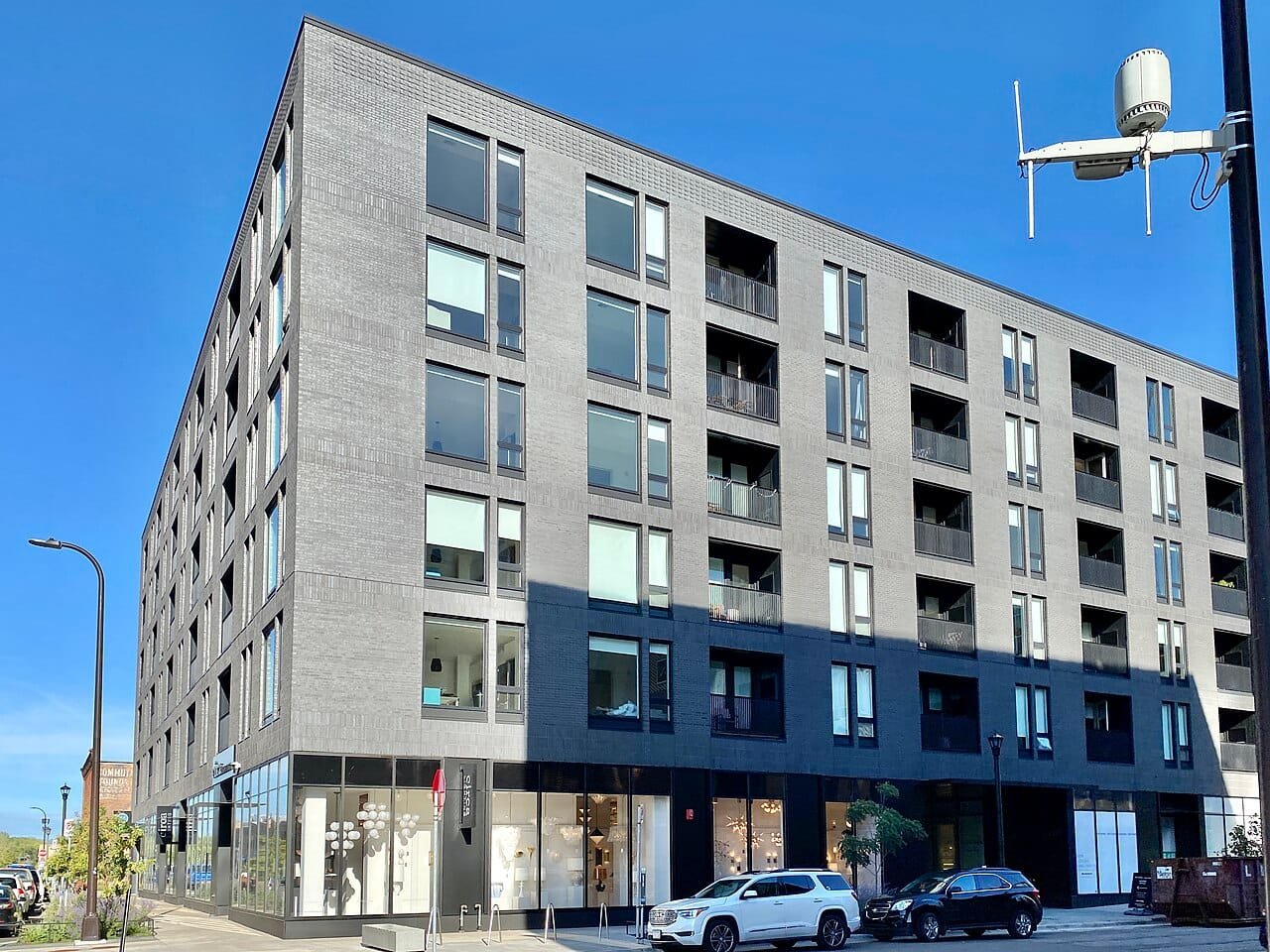
A property manager overseeing a five-story building with ground-floor retail and four floors of apartments above it called us specifically because her previous vendor couldn’t figure out how to route around the retail tenants’ own dumpster schedule without creating conflicts. Valet trash for mixed-use developments isn’t the same job as servicing a straight residential community, and treating it like one is exactly how these conflicts happen.
We service mixed-use properties across California where residential valet trash has to coexist with commercial waste streams, different access hours, and sometimes entirely different waste haulers operating on the same site. Here’s what makes these properties genuinely different to service, and what to look for in a vendor who actually understands the difference.
Why Mixed-Use Properties Need a Different Approach
A straight apartment community has one waste stream, one set of residents, and one schedule to coordinate. A mixed-use property typically has two: residential valet trash running on an evening schedule, and commercial waste from ground-floor retail, restaurants, or offices running on an entirely separate collection schedule, often through a different hauler altogether. A vendor who only understands residential routes can create real scheduling conflicts trying to force one system onto both, which is the core challenge behind doing valet trash for mixed-use developments correctly.
Access and Timing Conflicts That Come Up Constantly
Residential valet trash typically runs in the evening after residents have set bags out, while commercial waste from restaurants or retail tenants often needs pickup during business hours or early morning before opening. When both waste streams share the same loading dock, service elevator, or trash room, timing has to be coordinated carefully so crews aren’t blocking each other or interfering with tenant deliveries during business hours.
Separate Waste Streams Require Separate Handling
Commercial waste from a restaurant or retail tenant is regulated and disposed of differently than residential household trash, and mixing the two streams can create real compliance problems, especially with California’s mandatory organic waste recycling requirements under SB 1383. We keep residential valet trash service completely separate from any commercial waste handling on a property, coordinating timing without ever combining the actual waste streams.
Coordinating With the Property’s Commercial Waste Hauler
Most mixed-use properties already have a separate commercial hauler contracted for the retail or office portion of the building, often through a different vendor entirely. Part of doing this job right means coordinating our residential route timing around that existing commercial schedule rather than expecting the property to restructure its commercial waste contract to accommodate us.
Shared Infrastructure Creates Real Logistics Challenges
Many mixed-use buildings share loading docks, trash rooms, or service elevators between the residential and commercial portions of the property, which means valet trash crews need clear protocols for when and how they access shared spaces without disrupting deliveries, commercial waste pickup, or resident move-ins happening on the same infrastructure. We build these protocols into the service plan during the initial property walkthrough, not after the first scheduling conflict.
Resident Communication Gets More Complicated
In a straight apartment community, all residents get the same valet trash instructions. In a mixed-use property, upper-floor residential tenants need clear guidance that’s distinct from whatever waste procedures apply to ground-floor commercial tenants, and confusion between the two creates contamination and compliance issues fast. Clear signage and resident onboarding materials that specifically address the mixed-use layout make a measurable difference in how smoothly the program runs.
Recycling Compliance Gets More Complex, Not Less
SB 1383 compliance already requires organic waste diversion for most California multifamily properties, and mixed-use buildings have to track and document that compliance separately for residential and commercial waste streams, since state reporting requirements differ between the two. Our SB 1383 compliance checklist covers the residential side of this in detail, though mixed-use properties should also confirm their commercial hauler is meeting equivalent requirements on the retail side.
How Building Design Affects Route Planning
Vertical mixed-use buildings, where residential units sit above ground-floor commercial space, present different routing challenges than horizontal mixed-use developments, where residential and commercial buildings sit side by side on a larger parcel. We adjust route planning based on the actual physical layout rather than applying a single template to every mixed-use property, since a five-story vertical building and a sprawling horizontal development need genuinely different service approaches. No two sites needing valet trash for mixed-use developments look quite the same once you’re actually mapping the route.
Parking and Loading Dock Access During Service Hours
Commercial tenants often need loading dock access during business hours for deliveries, which can conflict with valet trash vehicles needing the same access for evening pickup if the schedules aren’t clearly separated. We coordinate directly with property management to confirm loading dock availability windows before finalizing a route schedule, rather than discovering the conflict after service has already started.
Why Some Vendors Turn Down Mixed-Use Properties
Mixed-use properties require more upfront coordination than straight residential communities, and some valet trash companies simply avoid quoting them because the added complexity doesn’t fit their standard route model. We take these properties on regularly, since the added coordination is manageable with the right planning, and mixed-use developments are an increasingly common property type across California’s denser urban corridors, so demand for a vendor who actually does valet trash for mixed-use developments well keeps growing right alongside it.
Insurance and Liability Considerations Specific to Mixed-Use Sites
Properties with both residential and commercial tenants sometimes carry more complex master insurance policies, and vendor coverage needs to align properly with those requirements. Our guide to valet trash liability insurance covers what coverage should look like, which applies just as directly to mixed-use properties as it does to straight residential ones.
Pricing Differences for Mixed-Use Properties
Mixed-use properties sometimes carry a modest premium over straight residential pricing, mainly reflecting the added coordination time rather than a fundamentally different cost structure. Our valet trash pricing page covers the general factors that drive cost, and a walkthrough of your specific property is the only way to get an accurate number given how much layout affects mixed-use routing.
Resident Amenities and Convenience in Mixed-Use Communities
Residential tenants in mixed-use buildings often choose the property partly for the convenience of having retail and dining downstairs, and valet trash service fits that same convenience expectation. Our resident convenience services page covers how doorstep trash and recycling pickup rounds out the amenity package these properties are often marketing to prospective tenants.
What a Site Walkthrough Actually Looks For
Before quoting a mixed-use property, we walk the site specifically to map shared infrastructure, commercial hauler schedules, loading dock access windows, and resident unit distribution across the building, since all of that shapes what an actual workable route looks like. A quote given without this walkthrough is a guess, not a plan.
How This Fits Into Broader Urban Development Trends
Mixed-use development has grown steadily across California as cities push for denser, more walkable communities that combine housing with retail and commercial space, a trend documented extensively by the Urban Land Institute, which tracks mixed-use development patterns and best practices nationally. As this property type becomes more common, waste management approaches built specifically for it, rather than adapted awkwardly from single-use residential service, matter more than they used to.
Signage That Works Across Two Different Tenant Types
Signage in a mixed-use building has to communicate clearly to two very different audiences at once: upper-floor residents following valet trash procedures and ground-floor commercial tenants or their customers who might otherwise assume the same bins apply to them. We recommend distinct, clearly labeled signage for residential versus commercial waste areas, since ambiguous signage is one of the fastest ways to end up with cross-contaminated waste streams in a shared building.
Handling Construction and Renovation Phases in Mixed-Use Buildings
Mixed-use properties going through phased construction or tenant improvement work on the commercial side often generate debris that shouldn’t mix with either the residential valet trash stream or the standard commercial waste stream. Coordinating temporary debris removal separately during these phases keeps ongoing valet trash for mixed-use developments running smoothly without construction waste clogging shared infrastructure.
How Lease Language Should Address Waste Responsibilities
Commercial leases in mixed-use buildings should clearly define which party is responsible for waste management costs and coordination, since ambiguity here often surfaces later as a dispute between property management and a commercial tenant over who’s supposed to be handling what. Property managers drafting or renewing commercial leases in mixed-use buildings should loop in their valet trash vendor to confirm the operational side matches what the lease actually says.
Property Value and Marketing Considerations
Mixed-use properties that run clean, well-coordinated waste management tend to market better to both prospective residential tenants and commercial lessees, since a building where trash handling looks chaotic reflects poorly on management across both tenant types. A well-run valet trash for mixed-use developments program is a small operational detail that quietly supports the broader property brand.
Working With Property Ownership Groups on Multi-Building Sites
Larger mixed-use developments sometimes span multiple buildings under one ownership group, each with a different mix of residential and commercial space. We coordinate service across multi-building sites as a single account when it makes sense, rather than treating each building as an entirely separate contract, which simplifies both billing and on-site coordination for property ownership.
What Sets a Vendor Apart on Mixed-Use Properties
Not every valet trash provider has actually run routes through a building with shared loading docks and two waste streams operating on different schedules. Ask a prospective vendor directly how many mixed-use properties they currently service and how they’ve handled commercial hauler coordination in the past, since experience with valet trash for mixed-use developments specifically, rather than residential experience alone, is what actually predicts a smooth setup. We’re glad to walk any property manager through exactly how our own valet trash for mixed-use developments accounts are structured, from onboarding through day-to-day route management.
Onboarding Timeline for a New Mixed-Use Account
Setting up service on a mixed-use property typically takes longer than a straight residential onboarding, since it involves coordinating with the commercial hauler, mapping shared infrastructure, and creating distinct signage for two tenant types before the first pickup happens. We build extra time into onboarding for these properties rather than rushing a launch date that skips proper coordination.
How We Structure Ongoing Communication on Mixed-Use Sites
Because mixed-use properties involve more moving parts, we maintain more frequent check-ins with property management during the first few months of service, specifically watching for any scheduling friction with commercial tenants or hauler conflicts that only surface once the route is actually running day to day.
Frequently Asked Questions
Can valet trash service work in a building with ground-floor retail?
Yes, but it requires coordinating residential pickup timing around the commercial tenants’ own waste schedule and shared infrastructure like loading docks or service elevators.
Does mixed-use valet trash cost more than standard apartment service?
Sometimes modestly more, mainly reflecting the added coordination time for shared infrastructure and scheduling, rather than a fundamentally different service structure.
How is commercial waste kept separate from residential valet trash in mixed-use buildings?
The two waste streams are handled entirely separately, often through different haulers on different schedules, with valet trash crews coordinating timing around the commercial pickup rather than combining the two.
What SB 1383 requirements apply to mixed-use properties?
Both the residential and commercial portions need to meet organic waste diversion requirements, though reporting is typically tracked separately for each waste stream.
Why do some valet trash companies avoid mixed-use properties?
The added scheduling complexity and coordination with commercial haulers doesn’t fit every vendor’s standard route model, so some avoid quoting these properties rather than adapting their approach.
Valet Trash for Mixed-Use Developments: The Bottom Line
Getting valet trash for mixed-use developments right means understanding that residential and commercial waste streams need separate handling, coordinated timing, and a route plan built around your building’s actual layout, not a template borrowed from straight apartment service. We service mixed-use properties across California with exactly that approach, and we’re glad to walk your site and map out what a workable route actually looks like before quoting anything.