
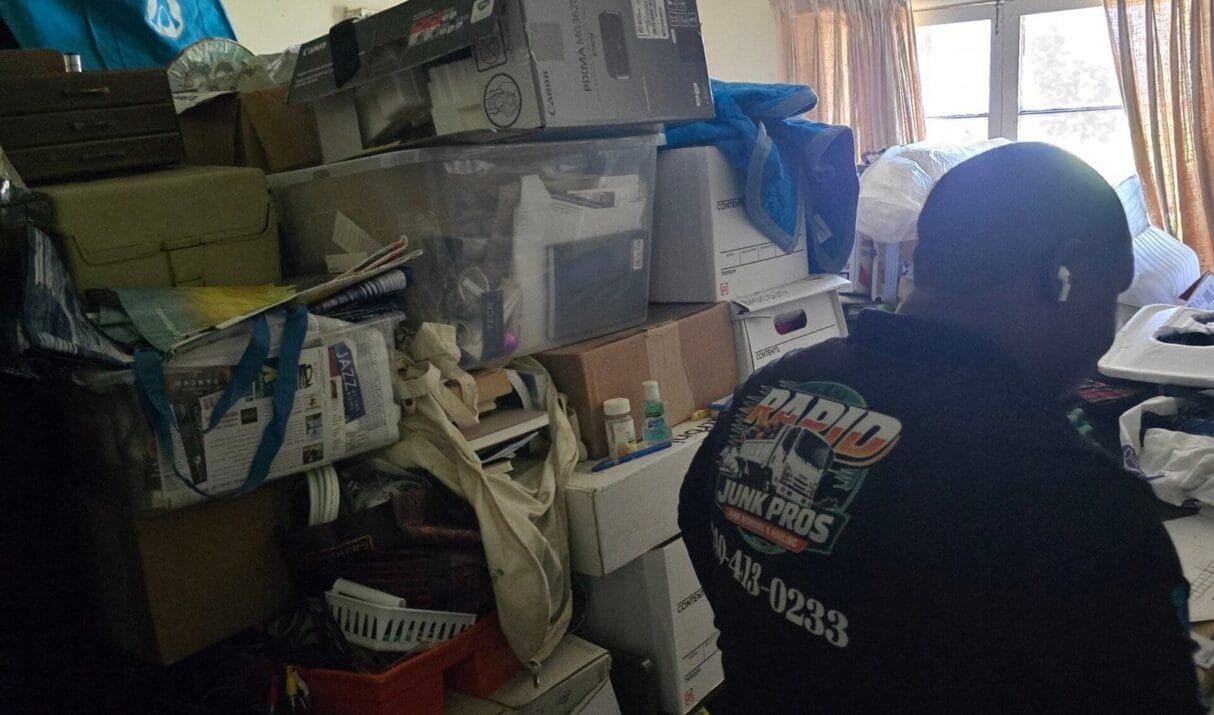

Jefferson Park is one of the most historically dense neighborhoods we work in, close to 2,500 homes packed into about fifty blocks, most of them Craftsman bungalows built between 1905 and 1920. A big chunk of the neighborhood sits inside a Historic Preservation Overlay Zone, which means a lot of the properties we work at
Watts has a tight-knit, small-lot feel that’s pretty different from a lot of the bigger, sprawling neighborhoods we work in. Most of the homes here are modest single-family bungalows on compact lots, many of them owned by families who’ve been on the same block for decades, alongside garden apartments and rental units built during the
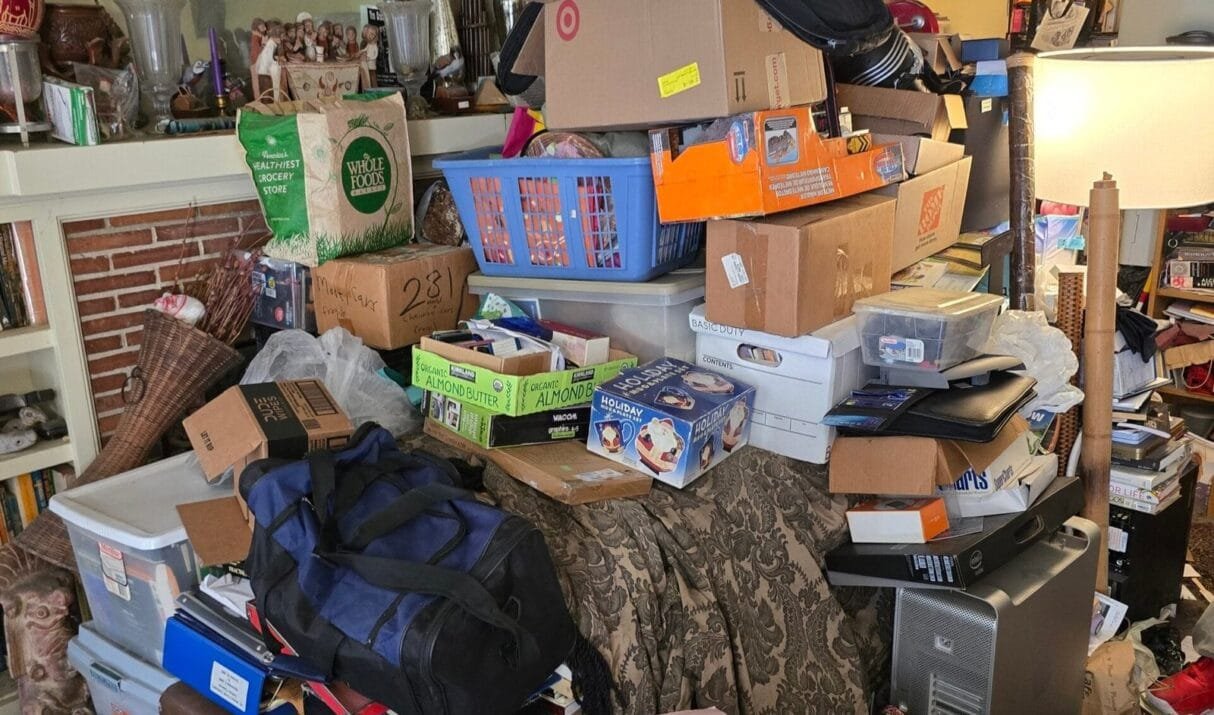
Harbor City sits in a spot most people just drive through on the way somewhere else, sandwiched between the 110 Freeway and Pacific Coast Highway, with Ken Malloy Harbor Regional Park taking up a big chunk of the neighborhood’s identity. It’s a mix of single-family homes on quiet residential blocks and a steady amount of
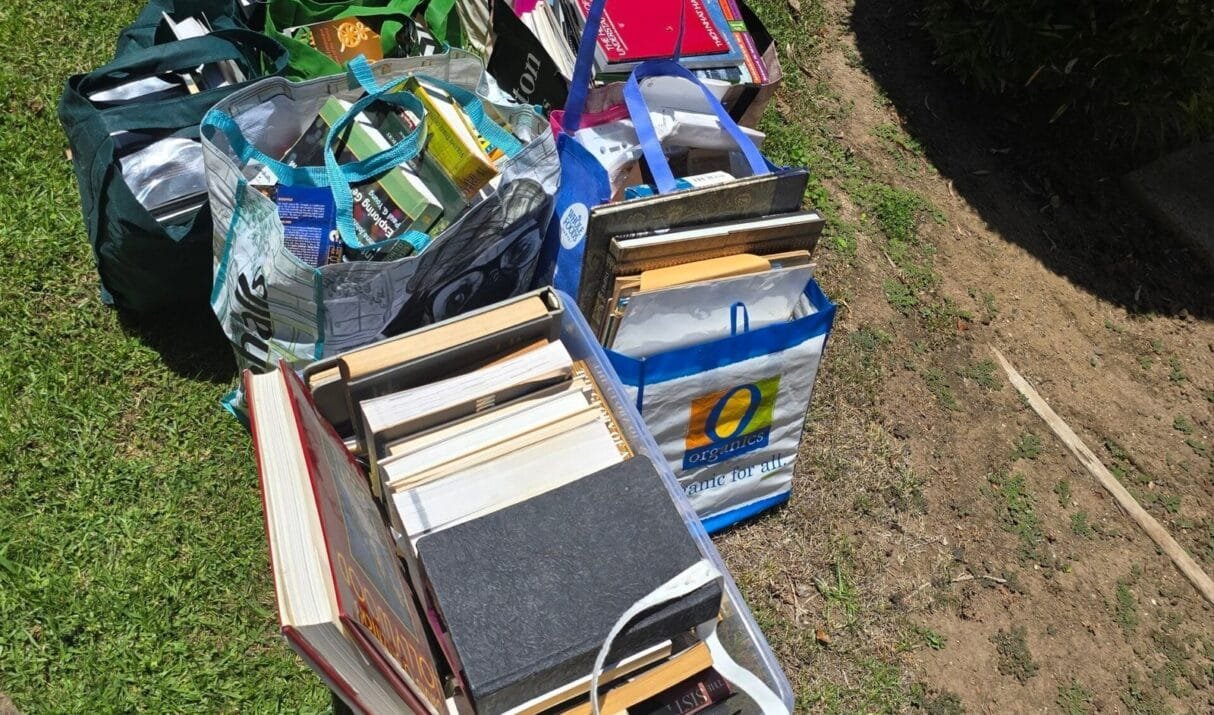
Wilmington is a working neighborhood in the truest sense, and that shapes almost every cleanout we run here. This is a port town, wedged between the refineries along Pacific Coast Highway and the shipping terminals down by the harbor, and the households we work with tend to reflect that. Bigger families, multigenerational homes, garages that
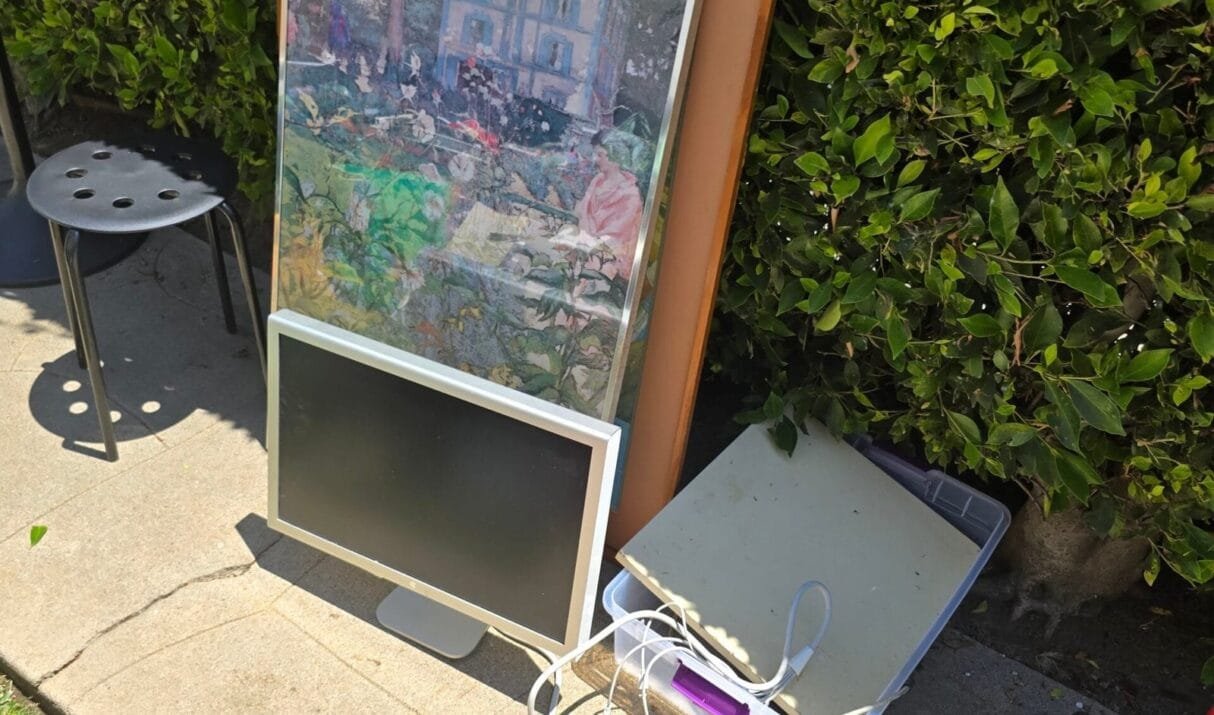
Baldwin Hills doesn’t look like most of the neighborhoods we work in, and that changes the job before we even pull up. Between La Cienega and Crenshaw, the streets climb fast, and homes up in the Dons and Baldwin Vista sit on lots with real elevation, pools, view decks, and driveways that were clearly designed
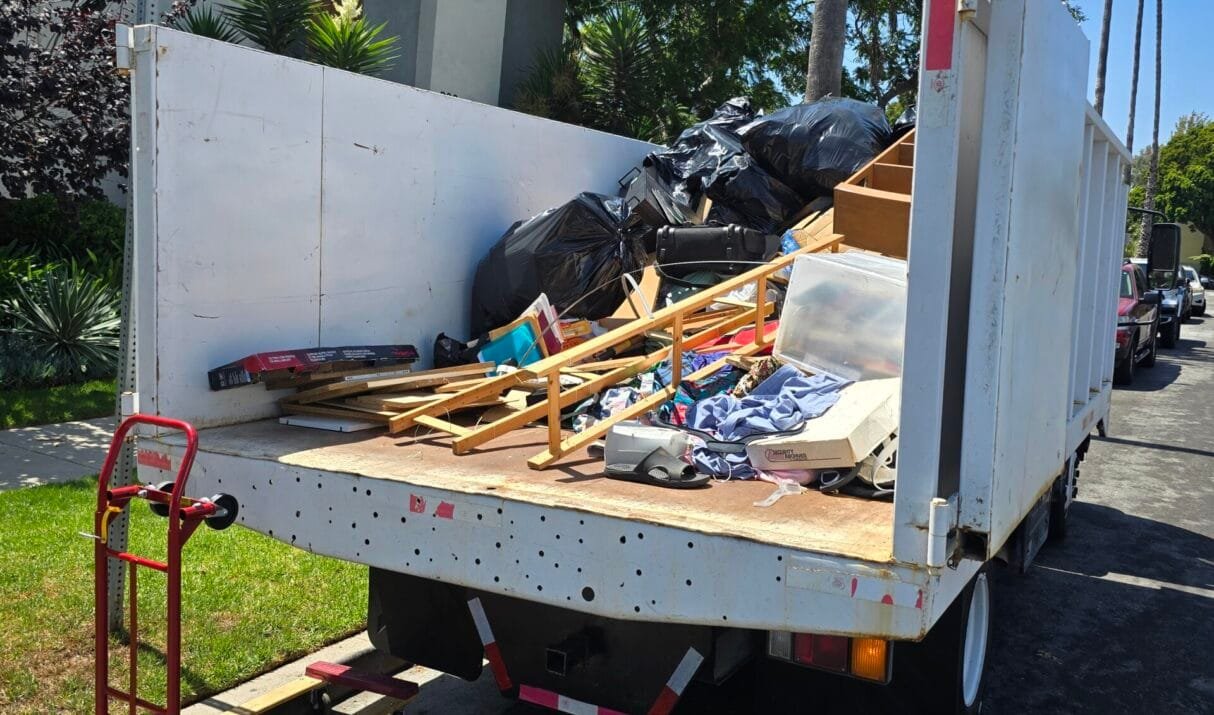
The Arts District is a neighborhood built out of old warehouses, and that history shapes almost every hauling job we do there. Converted lofts with exposed brick and freight elevators, live-work spaces that used to be manufacturing floors, and newer luxury buildings that popped up alongside them all come with their own quirks when something