What Not to Bring When Moving Into a Smaller Home

Moving into a smaller home is one of the few moves where “just bring everything and figure it out later” genuinely doesn’t work. There’s no extra closet to absorb the overflow, no garage corner to shove the maybe pile into. Knowing what not to bring when moving into a smaller home before the truck gets loaded is the difference between settling into a place that actually feels like yours within a week, and living out of stacked boxes for months because there was never a real plan for where everything would go.
We’re Rapid Junk Pros, and we’ve cleared out more downsizing moves across Los Angeles than we can count — empty-nesters moving from a house into a condo, families going from a house to an apartment, retirees moving into a smaller place near family. The furniture and boxes we end up hauling away after the fact almost always fall into the same predictable categories. Here’s how to sort that out before moving day instead of after.
The pattern we see most often is simple: people plan the move itself carefully — the truck, the date, the logistics — but treat the question of what actually fits the new home as something to work out once they’re already living there. That backwards order is exactly what leads to a garage or spare room in the new place filling up within the first month, with furniture and boxes that never really had a spot to begin with. Sorting this out before the move, room by room, avoids that entirely.
Table of Contents
Start with your new home’s actual dimensions, not guesswork
Before deciding what not to bring when moving into a smaller home, get real measurements of the new place — room dimensions, doorway widths, closet depth, and stairwell clearance if there’s a staircase involved. It’s common to assume a piece of furniture “should fit” based on how the old room felt, only to find out the new bedroom is genuinely two feet narrower in a way that changes everything. A rough floor plan, even hand-sketched, makes this process dramatically more accurate than trying to eyeball it from memory.
Once you have real dimensions, measure your largest furniture pieces against them specifically — bed frames, sofas, dining tables, and dressers. Anything that doesn’t clearly fit the new space, with room to actually walk around it, belongs on the “not bringing it” list regardless of how much you like the piece.
Furniture that almost never earns its keep in a smaller home
- Oversized sectionals. A sectional built for a large family room usually overwhelms a smaller living room, both in footprint and in the amount of walking space it eats up.
- Formal dining sets for eight or more. If your new place seats four comfortably, a large formal set becomes something you’re squeezing around rather than using.
- Multiple dressers per bedroom. Smaller bedrooms in particular rarely have room for more than one, and a lot of downsizing households discover they don’t need as much dresser space as they thought once clothing gets sorted too.
- Duplicate furniture from combining two households — two sofas, two full sets of kitchen items, two of nearly everything. Pick the better piece of each pair and let the other go.
- Large entertainment centers built around a much bigger TV setup or a wall that doesn’t exist in the new floor plan.
- Home office furniture sized for a dedicated room you may not have anymore — a large executive desk doesn’t belong in a shared multi-purpose space the way it did in a private office.
For a deeper look at the actual cost math behind furniture decisions — especially if your downsizing move is also a long-distance one — our guide on what to do with furniture before an interstate move breaks down when shipping a piece makes financial sense and when it doesn’t.
The category everyone underestimates: duplicate and backup items
A bigger home has room to store backups — extra linens for a guest room you’re no longer keeping, a second set of dishes, seasonal decor for every occasion of the year, spare furniture in case a piece breaks. A smaller home doesn’t have that buffer, and bringing all of it usually means it ends up stacked in a closet or garage instead of stored properly, which defeats the point of downsizing in the first place.
A useful rule for a smaller home: one of something, not two, unless you genuinely use both regularly. One set of everyday dishes rather than an everyday set plus a “good” set you use twice a year. One set of towels per person plus a small buffer, not a full linen closet’s worth. This single shift — cutting duplicates rather than just shrinking categories evenly — tends to free up more real space than almost anything else on a downsizing list.
What not to bring: things kept “just in case” that never get used
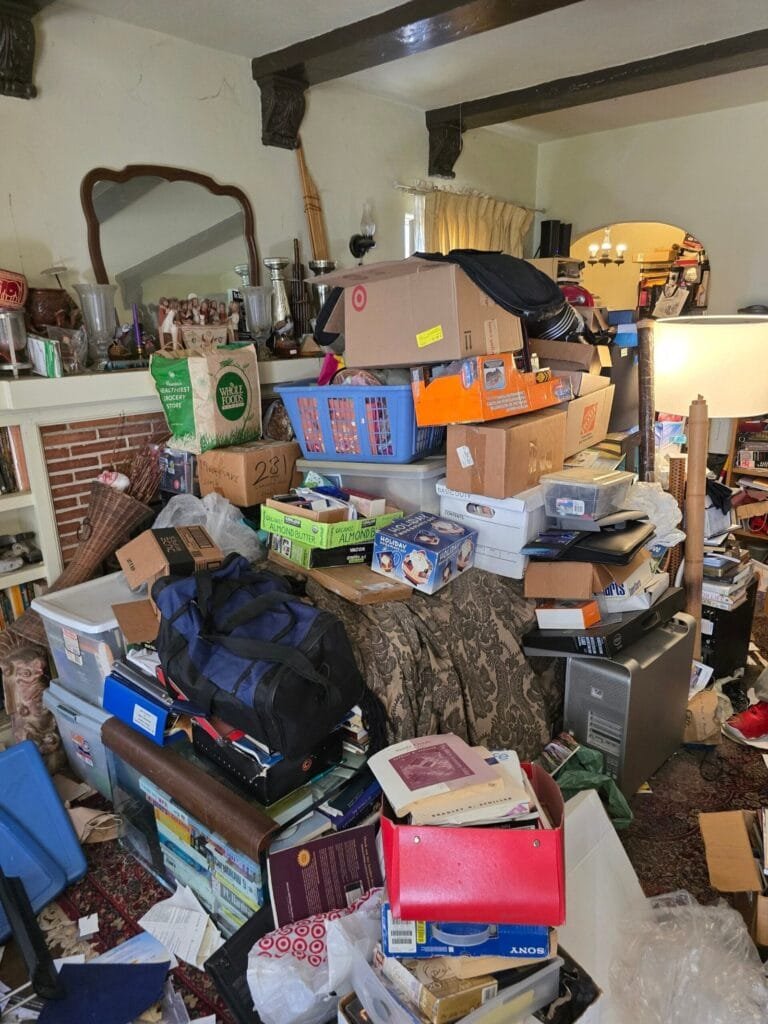
Bigger homes accumulate “just in case” items precisely because there’s room to. A smaller home makes every one of those items compete for space with things you actually use daily. A few categories worth a hard look:
- Craft or hobby supplies for a hobby you haven’t picked up in over a year.
- Exercise equipment that’s become a clothes rack rather than something you use.
- Kitchen gadgets used once or twice and then never again — the bread machine, the fondue set, the pasta maker.
- Extra furniture kept “in case a kid moves back” or “in case we need a guest room setup someday.”
- Boxes from previous moves that were never fully unpacked in the current home, let alone the last one.
None of this needs to be an emotional purge. It’s simply asking whether something has earned its square footage in a home where square footage is now the scarcest resource you have.
Kitchen items that rarely make sense in a smaller layout
Kitchens in smaller homes almost always have less cabinet and counter space, and this is one area where “just in case” thinking causes real day-to-day frustration if you don’t sort it out ahead of time. Large stand mixers used a handful of times a year, bulky slow cookers and pressure cookers that duplicate each other’s function, a second full set of bakeware for holiday baking, mismatched food storage containers accumulated over years — all of it competes for the same limited cabinet space in a smaller kitchen. A practical approach: keep what you use at least monthly, and seriously reconsider anything used only once or twice a year unless it’s genuinely difficult to replace or borrow when you need it.
Pantry space follows the same logic. A smaller kitchen usually means a smaller pantry, and bringing years of accumulated bulk purchases, expired spices, and specialty ingredients bought for one recipe you never made again just means unpacking into a space that’s already too full before you’ve bought a single new grocery item.
Clothing and closets: the space everyone underestimates
Closet space shrinks disproportionately when downsizing, since smaller homes often have fewer closets in addition to smaller ones. This is a good moment to apply a real filter to clothing rather than assuming it’ll all fit somehow. Clothes that haven’t been worn in the last year, items kept for a body size you’re not currently at, and out-of-season items that don’t match your new climate or lifestyle are all reasonable categories to thin out significantly. The same goes for shoes, bags, and accessories, which tend to accumulate quietly over years without anyone noticing how much closet space they’ve claimed.
If you’re downsizing as a couple or family, this is also a good time to consolidate linens and off-season bedding. A smaller home rarely needs a full linen closet’s worth of sheets for beds you no longer own or guest rooms that no longer exist in the new floor plan.
Downsizing kids’ rooms without turning it into a fight
If kids are part of this move, their rooms usually shrink along with everyone else’s, and toys, books, and furniture sized for a bigger room all need the same honest evaluation. Rather than sorting a child’s belongings entirely without them, most families find it goes smoother to set a clear, visible limit — a certain number of bins, or furniture that fits a measured space — and let the child make choices within that limit. It turns downsizing into a bounded decision instead of an open-ended loss, which tends to reduce pushback significantly compared to a parent deciding everything unilaterally.
Furniture sized for a larger bedroom — bunk beds meant for a bigger footprint, oversized toy storage, a desk built for a room twice the size of the new one — is often the first thing that needs to go, simply because it won’t physically fit regardless of how attached anyone is to it.
Moving from a house to an apartment or condo specifically
This particular downsize comes with its own specific list, since houses have space types apartments and condos simply don’t: garages, sheds, yards, and often basements or attics. If you’re making this move, plan extra time for these areas specifically, since they tend to hold more than people remember and almost none of it has an obvious place in an apartment. Outdoor furniture, yard tools, holiday decorations sized for exterior displays, and anything stored in a garage rafters system all need a real decision rather than just getting boxed and shipped by default.
If your garage has become the default storage spot for a decade of “figure it out later” items, a garage and basement cleanout from Rapid Junk Pros clears it in a single visit rather than several exhausting weekends right when you have the least time and energy to spare for it.
Downsizing into a smaller home later in life
A large share of downsizing moves happen later in life — moving from a family home into a smaller house, a condo, or a senior living community. This version of the move carries more emotional weight, since a lot of what’s being sorted connects to decades of memories rather than daily use. A few things that genuinely help: start earlier than feels necessary, since decisions here tend to take longer and benefit from not being rushed.
Involve family members in identifying what actually matters to them before anything gets sold, donated, or hauled, so nobody discovers too late that something meaningful is already gone. And set aside a specific, bounded space — a single bin or a few boxes — for sentimental keepsakes, rather than trying to make an all-or-nothing call on family history in one sitting.
Whatever doesn’t make the cut doesn’t have to go straight to a dumpster. Sell what has real value, donate what’s usable, and let a junk removal crew handle the rest with some care rather than treating it like just another haul.
A few things people almost always regret keeping — and a few they regret losing
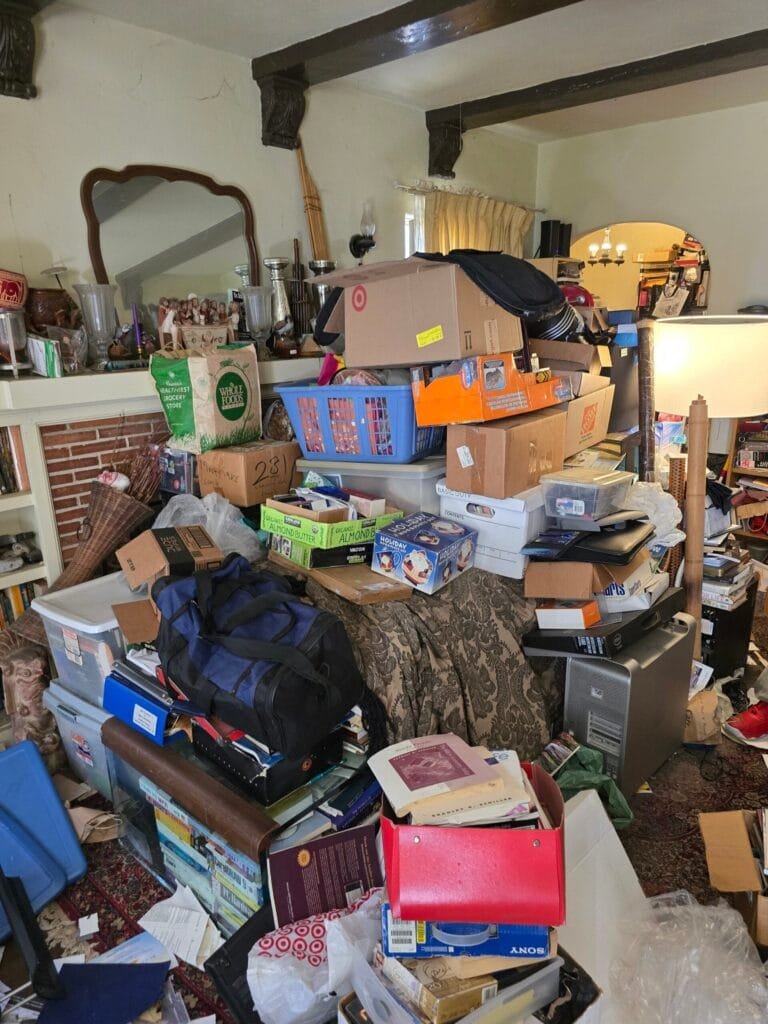
After enough downsizing cleanouts, a pattern shows up on both sides of this decision. Items people commonly regret bringing to a smaller home: bulky furniture kept purely out of sentiment rather than use, a full second set of everything “for guests” who visit once a year, and boxes of paperwork or memorabilia that end up back in a closet, unopened, exactly as they were before the move. On the other side, people occasionally regret letting go of a few genuinely useful things too quickly under time pressure — a specific tool they end up rebuying within a year, or a piece of furniture that actually would have fit if they’d measured more carefully instead of guessing.
The lesson from both sides isn’t “keep more” or “keep less” — it’s “decide with actual information,” meaning real measurements and an honest look at use, rather than either sentimental attachment or moving-day panic. Both extremes lead to regret; a measured, unhurried decision usually doesn’t.
Where the “not bringing it” pile should actually go
Once you’ve built your list of what not to bring when moving into a smaller home, each item still needs an actual destination. Higher-value furniture and household items are worth listing for sale, with a firm deadline rather than an open-ended posting. Usable furniture, clothing, and household goods that aren’t worth the effort of selling can go to Habitat for Humanity ReStore or a local Goodwill — both accept donations across the greater Los Angeles area, and some Habitat ReStore locations will schedule pickup for larger furniture.
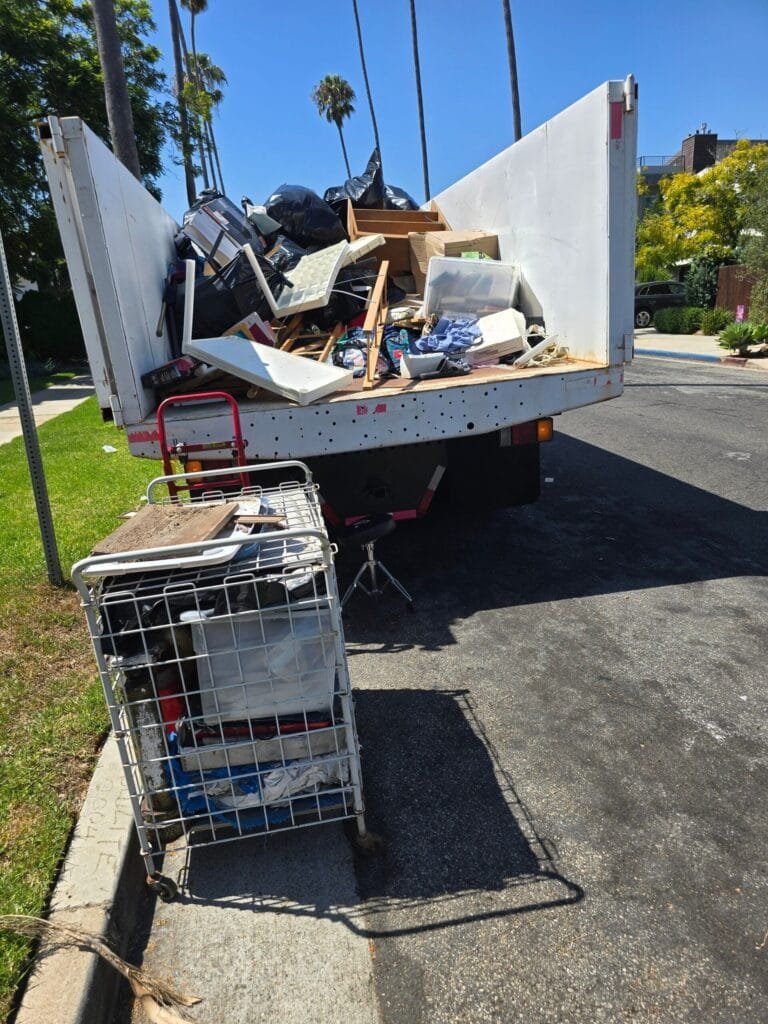
For everything left over — broken furniture, outdated appliances, general household items nobody wants — that’s exactly what junk removal exists for. Rapid Junk Pros offers furniture removal and full residential junk removal across Los Angeles, with same-day and next-day scheduling so the pile doesn’t sit around waiting to be dealt with after you’ve already moved.
A realistic timeline for figuring out what not to bring
- 6-8 weeks out: get real measurements of the new place and compare them against your largest furniture pieces.
- 4-6 weeks out: sort duplicates and “just in case” items room by room, starting with the garage or largest storage area.
- 3 weeks out: list anything worth selling, with a two-week deadline attached.
- 2 weeks out: schedule donation pickups and book junk removal for everything left that isn’t coming with you.
- Final week: a last walkthrough of every room. Anything without a clear “yes” gets removed, not packed on the assumption you’ll deal with it later.
The AARP guide on downsizing in retirement is a solid additional resource if this move is tied to retirement planning specifically, covering the financial side alongside the practical one.
Key Takeaways
- Measure your new home’s actual dimensions before deciding what furniture to bring — assumptions based on the old space are one of the most common downsizing mistakes.
- Oversized furniture, duplicates, and “just in case” items are the categories that consistently overwhelm a smaller home.
- Sell higher-value items with a firm deadline, donate what’s usable, and haul away the rest well before moving day.
- Rapid Junk Pros handles furniture removal and full residential cleanouts across Los Angeles with same-day and next-day availability.
Frequently asked questions
What’s the biggest mistake people make about what not to bring when moving into a smaller home?
Not measuring the new space against actual furniture dimensions before deciding what to keep. A piece that felt reasonable in a larger home can dominate a smaller room in a way that’s hard to picture until you’ve measured both against each other.
How do I decide between two similar pieces of furniture when downsizing?
Pick the piece in better condition or that fits the new space more precisely, and let the other go rather than trying to keep both “just in case.” Smaller homes rarely have room for true duplicates.
Should I put extra furniture in storage instead of getting rid of it?
Only if you have a specific, near-term plan for it. Long-term storage for furniture you’re not using tends to just delay the same decision while adding a monthly cost on top of it. If you already have a unit that’s grown out of control, our guide on storage unit downsizing before a move covers exactly how to work through that separately.
How do I get the rest of the family on board with downsizing?
Set a shared deadline, split decisions by area of ownership where possible, and save disagreements for the items that actually affect whether things fit in the new space, rather than fighting over everything equally.
What if I’m not sure whether something will fit until I’ve already moved?
Measure ahead of time whenever possible, since it’s far easier to sell or donate a piece before the move than to deal with it afterward. If you do end up with furniture that doesn’t work once you’re settled in, junk removal and donation are both still available after the fact — it’s just more efficient to sort it out beforehand.
What should I do with furniture and items I decide not to bring?
Sell items with real value, donate anything usable to Habitat for Humanity ReStore or Goodwill, and book a junk removal pickup for the rest. Rapid Junk Pros offers same-day and next-day service across Los Angeles.
Let us clear the way before your downsizing move
Once you’ve figured out what not to bring when moving into a smaller home, don’t let that pile sit in the garage until it’s the last thing on your list. Rapid Junk Pros offers same-day and next-day furniture removal and residential cleanouts across Los Angeles, so your old place is clear and your new one isn’t crowded with furniture that never fit in the first place. Call or text 240-413-0233 for a free quote, or visit our contact page to schedule around your move date. We’ve helped families and retirees downsize across LA since 2016, and we know exactly what tends to make the cut and what doesn’t.